Common Misconceptions About Scrap Metal Recycling


Scrap metal recycling is an essential part of environmental conservation and resource management. However, many misconceptions about this process often lead to confusion and hesitation. This post aims to debunk some of the most common myths surrounding scrap metal recycling.
Myth 1: All Metals Are Recycled in the Same Way
One of the most prevalent misconceptions is that all metals undergo the same recycling process. In reality, different metals require different handling and processing techniques. For example, ferrous metals, which contain iron, are often separated using magnets, while non-ferrous metals like aluminum and copper are sorted through other means.
Understanding the specific recycling methods for different metals can help in properly preparing and sorting scrap, enhancing the recycling efficiency and effectiveness.
Myth 2: Scrap Metal Recycling Is Not Environmentally Friendly
Some people believe that the recycling of scrap metal is not environmentally friendly due to the energy consumption involved. However, recycling metal uses significantly less energy compared to producing new metal from raw ore. For instance, recycling aluminum saves up to 95% of the energy needed to create new aluminum products.
By recycling scrap metal, we can reduce greenhouse gas emissions, conserve natural resources, and minimize landfill waste, making it a highly sustainable practice.
Myth 3: Only Large-Scale Operations Can Recycle Scrap Metal
Another common misconception is that only large businesses can participate in scrap metal recycling. In truth, individuals and small businesses can also benefit from recycling scrap metal. Many local recycling centers accept small quantities of scrap metal, making it accessible for everyone.
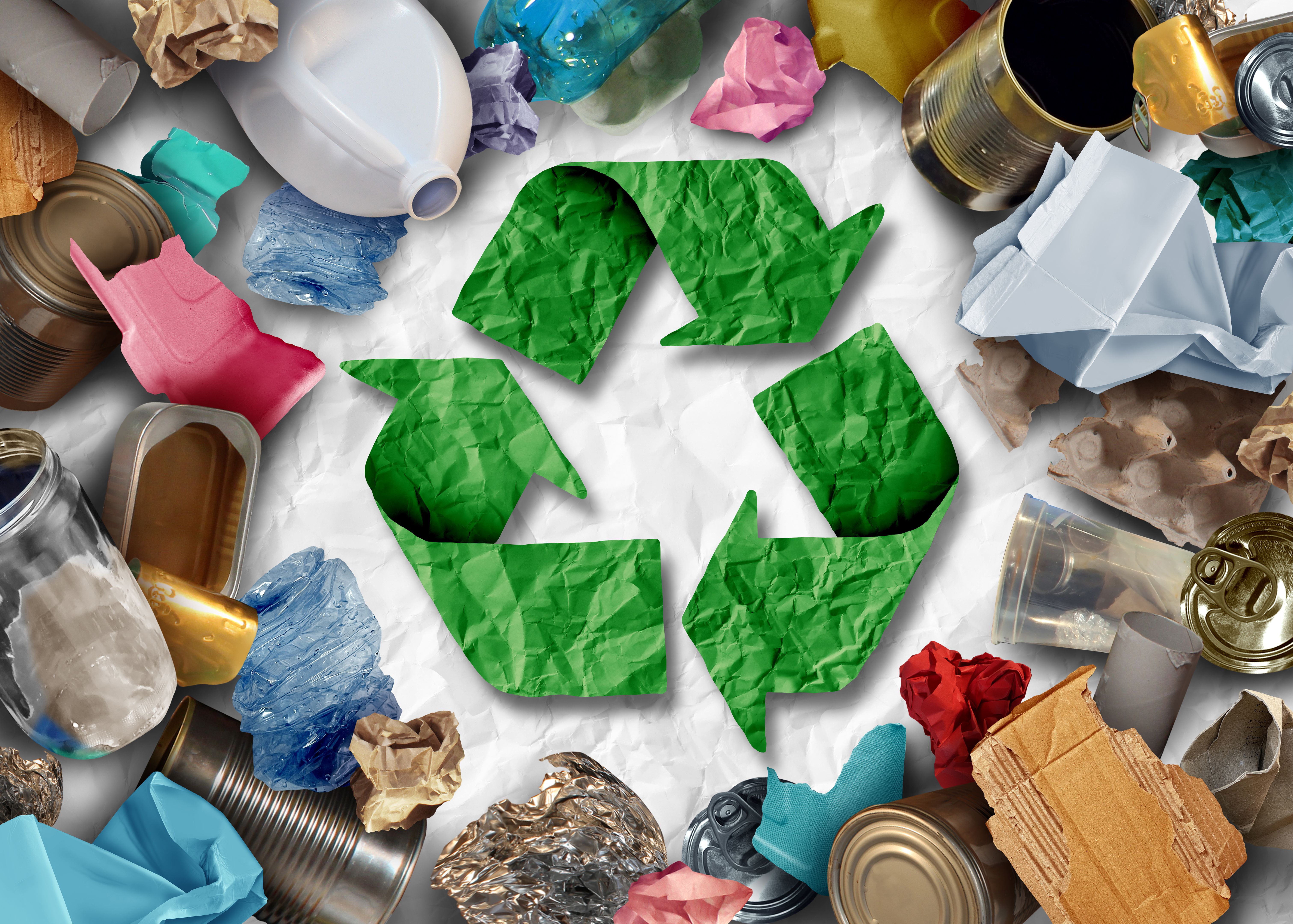
By participating in scrap metal recycling, individuals can contribute to environmental conservation and even earn some money from their efforts.
Myth 4: Scrap Metal Recycling Is Not Economically Viable
There is a belief that scrap metal recycling does not provide significant economic benefits. However, the recycling industry supports numerous jobs and contributes billions to the economy each year. The demand for recycled metals is high, as they are used in various industries, from construction to electronics.
The economic impact of scrap metal recycling extends beyond immediate financial gains, supporting a more sustainable and resource-efficient future.

Myth 5: Only Industrial Metals Are Worth Recycling
Many assume that only industrial metals like steel or iron are worth recycling. In reality, metals such as copper, aluminum, and brass are also highly valuable and sought after in the recycling market. Even household items, like old appliances or wiring, can be recycled.
By recycling a wide variety of metals, we can further reduce our reliance on raw materials and promote environmental sustainability.
Conclusion
Scrap metal recycling is a crucial practice that benefits both the environment and the economy. By dispelling these common misconceptions, we can encourage more individuals and businesses to participate in recycling efforts, leading to a more sustainable and responsible future.