Michigan Metal Waste Disposal: What You Need to Know


Understanding Metal Waste Disposal in Michigan
Metal waste disposal is a crucial aspect of environmental management in Michigan. With industries ranging from automotive to manufacturing, the state generates a significant amount of metal waste. Understanding how to properly dispose of this waste is essential for businesses and individuals alike. Proper disposal ensures compliance with state regulations and helps in preserving the environment.
Types of Metal Waste
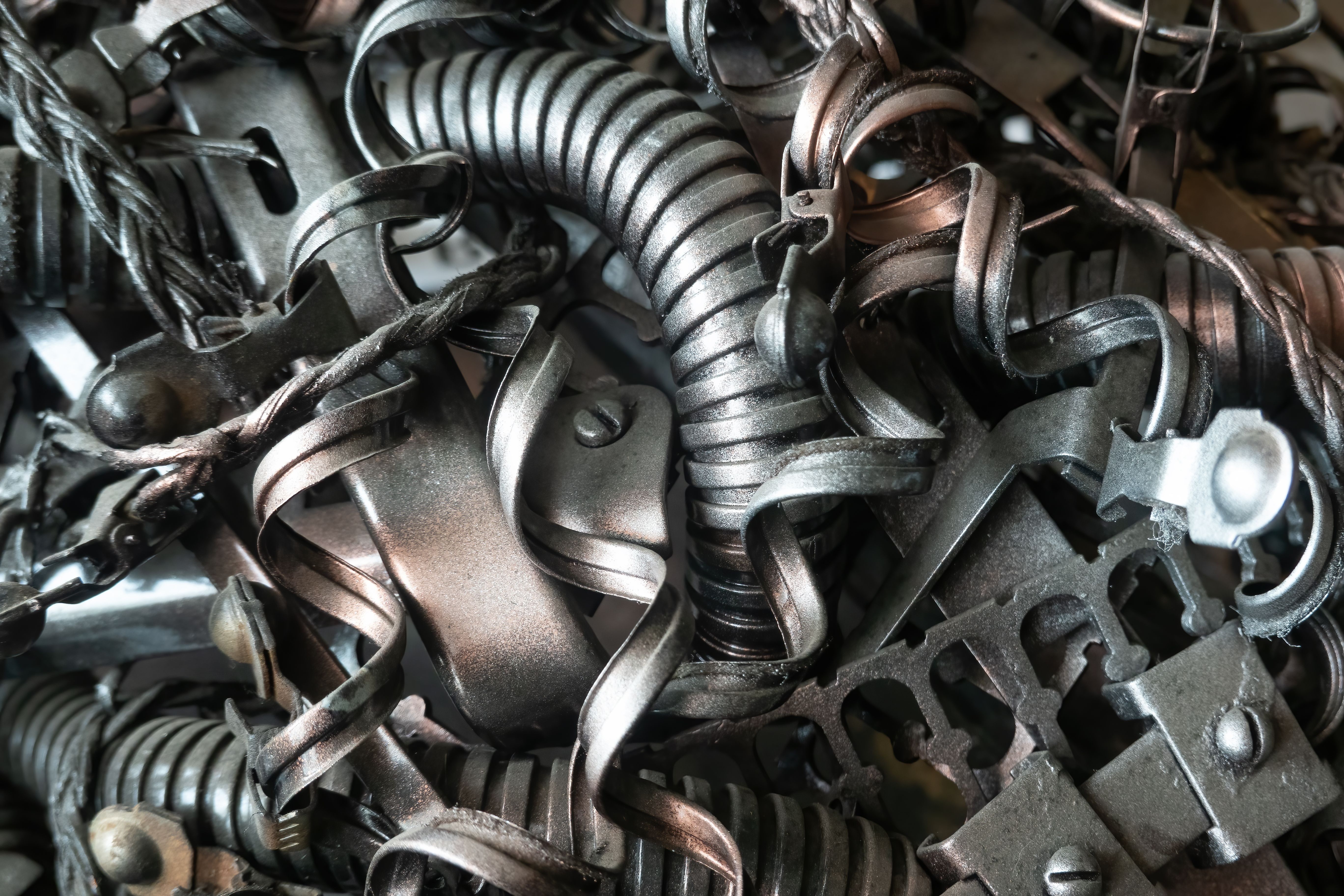
Metal waste can be broadly categorized into two types: ferrous and non-ferrous metals. Ferrous metals include iron and steel, which are magnetic and prone to rusting. Non-ferrous metals like aluminum, copper, and brass do not contain iron and are more resistant to corrosion. Each type requires different handling and disposal methods to ensure they are recycled efficiently.
Regulations and Compliance
In Michigan, the Department of Environment, Great Lakes, and Energy (EGLE) oversees metal waste disposal regulations. Businesses must adhere to these regulations to avoid penalties. This includes obtaining necessary permits and ensuring waste is transported and processed at licensed facilities. Compliance not only helps in avoiding legal issues but also promotes sustainable practices.

Benefits of Recycling Metal Waste
Recycling metal waste has numerous benefits. It reduces the need for mining, conserves natural resources, and saves energy. Additionally, recycling helps in reducing greenhouse gas emissions. By recycling, businesses can also potentially reduce disposal costs and create new revenue streams through the sale of recyclable materials.
How to Dispose of Metal Waste
Disposing of metal waste involves several steps. Here’s a simple guide:
- Identify the type of metal waste you have.
- Sort the metals into ferrous and non-ferrous categories.
- Contact a local recycling center or waste disposal company.
- Transport the waste to the appropriate facility.
Choosing the Right Waste Management Partner
Choosing the right waste management partner is crucial. Look for companies that are certified and have a good track record in handling metal waste. They should provide clear guidelines on how they manage and recycle waste. A reliable partner will also offer assistance with logistics and compliance, making the process seamless for your business.
In conclusion, proper metal waste disposal in Michigan is not just a regulatory requirement but a step towards sustainability. By understanding the types of metal waste, adhering to regulations, and partnering with the right waste management companies, businesses and individuals can contribute significantly to environmental conservation.