Myth-Busting Scrap Metal: What Detroit Residents Need to Know


Dispelling Common Myths About Scrap Metal Recycling
Scrap metal recycling is a topic often shrouded in misconceptions, especially in places with rich industrial histories like Detroit. Many residents hold beliefs that may not necessarily be true, impacting their decisions to recycle. Here, we aim to debunk some of the most common myths surrounding scrap metal recycling.
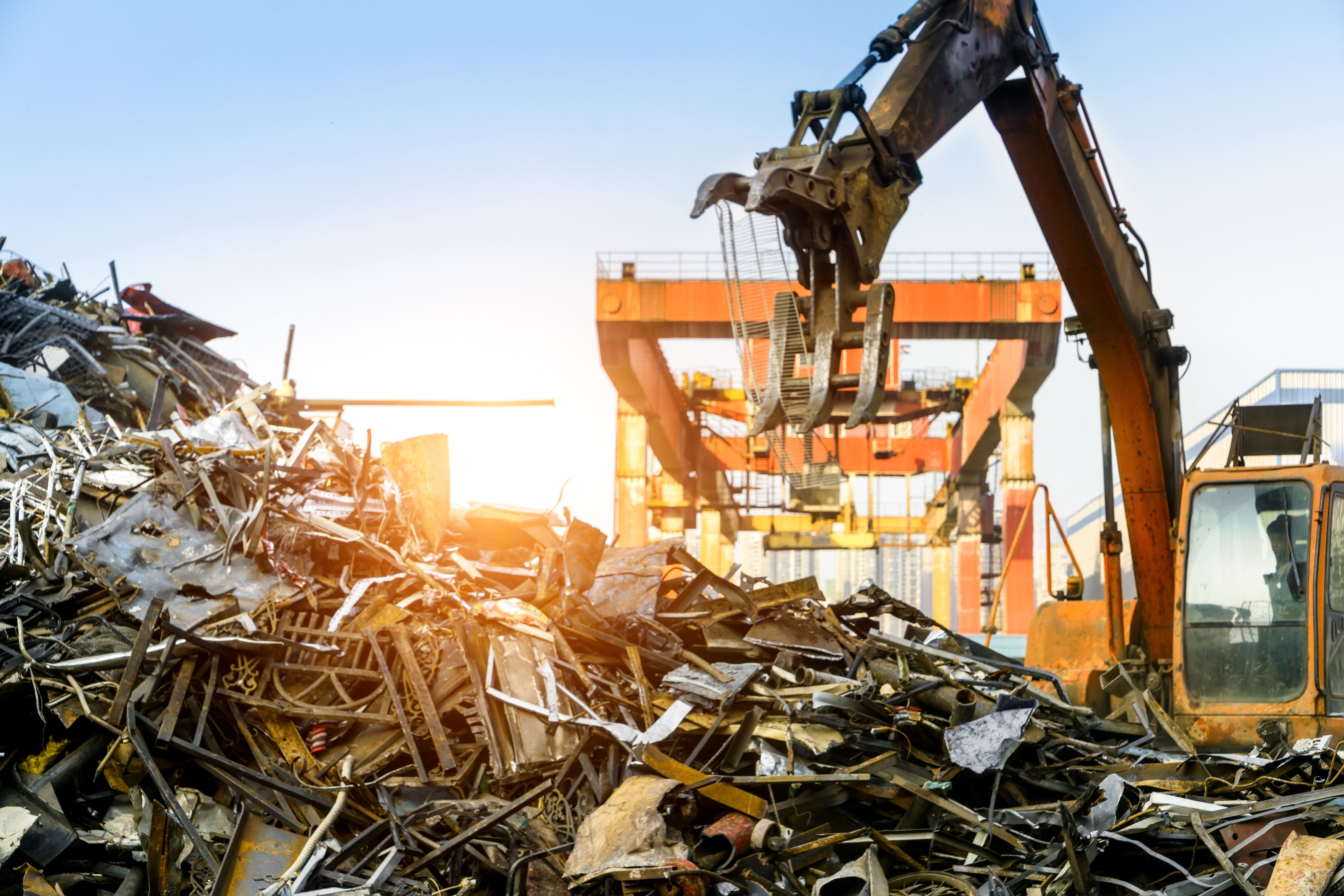
Myth 1: Scrap Metal Recycling Is Not Worth the Effort
One prevalent myth is that recycling scrap metal doesn't yield significant returns. Contrary to this belief, recycling metal can be quite profitable. The value of scrap metal fluctuates, but metals like copper and aluminum can fetch good prices. Additionally, recycling helps reduce landfill waste, making it an environmentally beneficial effort.
Residents of Detroit who actively participate in scrap metal recycling not only contribute to environmental conservation but also support the local economy. It's a win-win situation that provides both financial and ecological benefits.
Understanding the Recycling Process
Many people are unaware of how scrap metal recycling works, leading to confusion and hesitation. The process is straightforward: scrap metal is collected, sorted, cleaned, and then melted down for reuse. This cycle conserves natural resources and uses significantly less energy than producing new metal from ore.

Myth 2: Only Large Quantities Are Accepted
A common misconception is that scrap metal dealers only accept large quantities of metal, making it seem unworthy for individuals with smaller amounts. In reality, most recycling centers are more than happy to accept any quantity of scrap metal. Every bit contributes to the broader recycling effort.
Individuals can gather scrap metal from old appliances, furniture, and even tech gadgets. Every effort counts, and every piece of metal recycled reduces the demand for new metal production.
The Environmental Impact of Scrap Metal Recycling
Recycling scrap metal has a tremendous positive impact on the environment. It reduces the need for mining, which in turn decreases pollution and conserves natural habitats. Additionally, recycling metal saves energy, as it requires far less energy to recycle metal than to produce new metal from raw materials.

Myth 3: Scrap Metal Recycling Is Dangerous
Some people believe that scrap metal recycling is hazardous and best left to professionals. While it's true that safety precautions are necessary, particularly when handling sharp or heavy items, recycling centers have stringent safety protocols in place to protect workers and the community.
Individuals can safely collect and transport scrap metal by wearing gloves and using proper equipment. It's a manageable task that can be safely conducted with the right precautions.
How Detroit Residents Can Get Involved
Detroit residents interested in recycling scrap metal can start by researching local recycling centers and understanding what types of metals are accepted. Many centers offer pick-up services, making it even more convenient for residents to participate.
By getting involved, residents not only contribute to a cleaner environment but also play a role in sustaining the economy. Scrap metal recycling is a simple yet effective way to make a positive impact.

In conclusion, dispelling these myths can encourage more Detroit residents to engage in scrap metal recycling. By understanding the true value and process of recycling, individuals can make informed decisions that benefit both themselves and the community.