The Ultimate Guide to Selling Scrap Metal in Michigan


Understanding Scrap Metal
Scrap metal recycling is a rewarding venture that not only helps the environment but also puts cash in your pocket. In Michigan, the demand for scrap metal is on the rise, making it an excellent opportunity for those looking to sell. But before diving in, it's crucial to understand the different types of scrap metal and how to identify them.
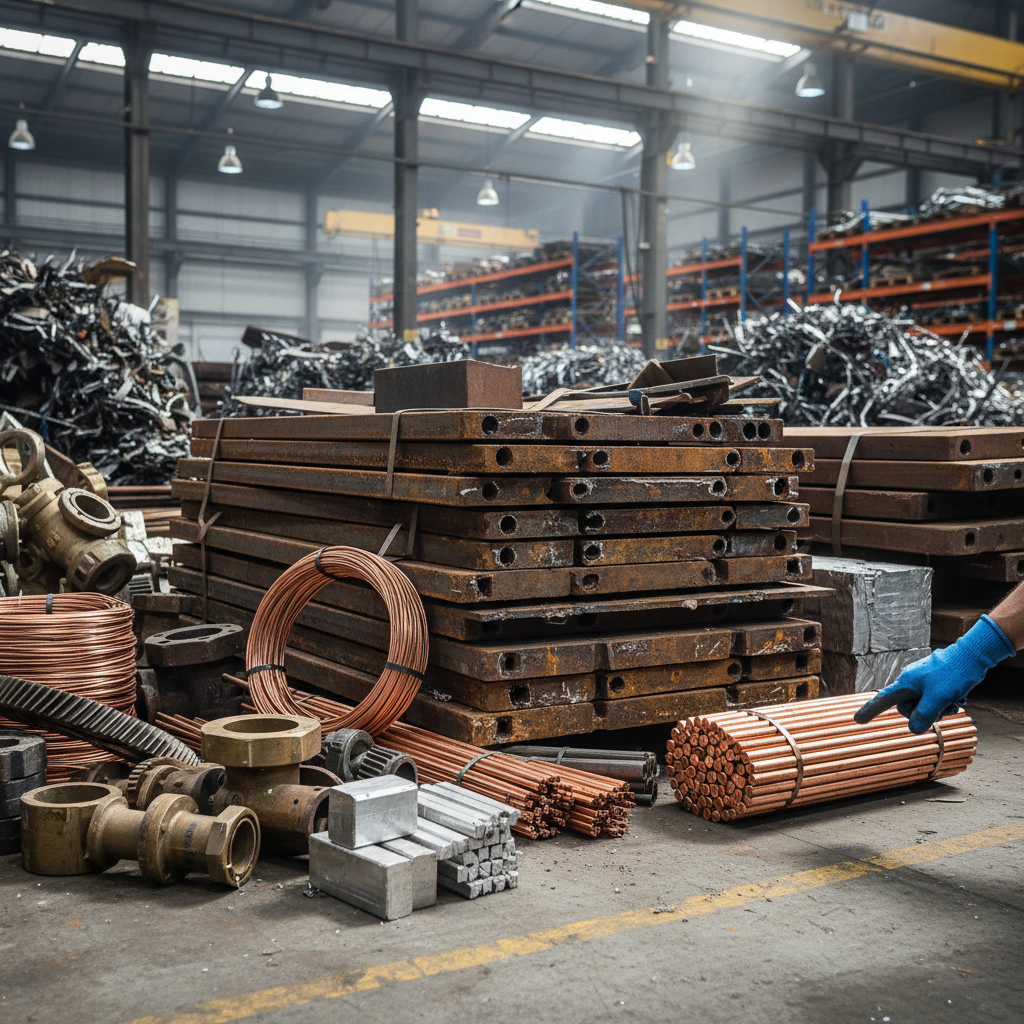
Scrap metals are generally categorized into two types: ferrous and non-ferrous. Ferrous metals contain iron and are magnetic, while non-ferrous metals, such as aluminum, copper, and brass, are not magnetic. Identifying these metals correctly can significantly impact your profits.
Where to Find Scrap Metal
Finding scrap metal is the first step towards a successful sale. Many people start by looking in their own homes for unused items like old appliances or metal furniture. Construction sites, automotive repair shops, and even local businesses can also be excellent sources of scrap metal.
Networking is key in this industry. Building relationships with people in various sectors can lead to a steady stream of scrap material. Always remember to ask for permission before collecting scrap from any location.
Preparing Scrap Metal for Sale
Once you've gathered your scrap metal, it's time to prepare it for sale. Proper preparation can increase its value. Start by sorting the metals into ferrous and non-ferrous categories. Clean the metals by removing any non-metal components like plastic or rubber.
Consider investing in a magnet and a metal file to help with sorting and cleaning. These tools can assist you in accurately categorizing the metals, ensuring you get the best price when selling.
Finding the Right Scrap Yard
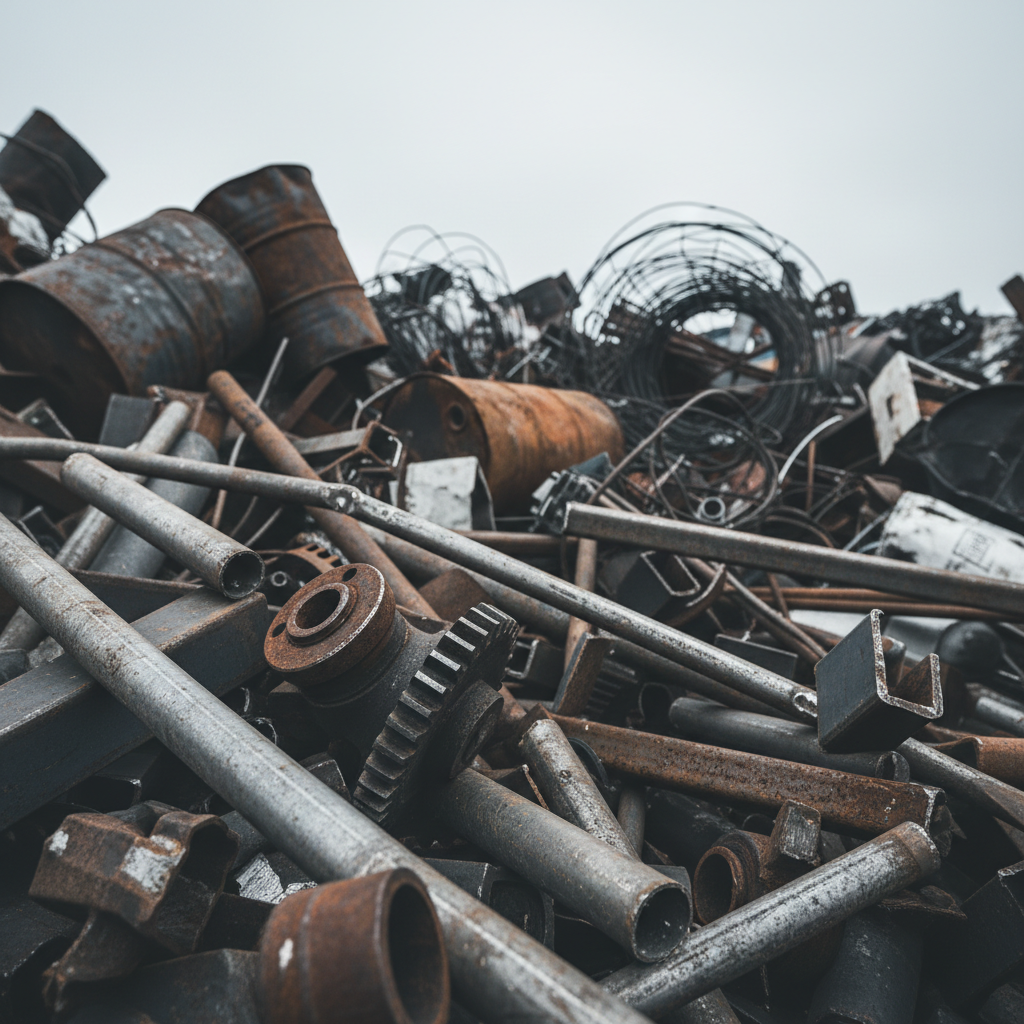
Choosing the right scrap yard in Michigan is crucial for maximizing your profits. Look for yards that are transparent with their pricing and have a reputation for fair dealings. It's a good idea to visit several yards to compare prices and services.
Some scrap yards offer additional services like pick-up, which can be convenient if you have a large amount of scrap. Always call ahead to check the current prices and any specific requirements they may have.
Understanding Scrap Metal Prices
Scrap metal prices fluctuate based on market demand, metal type, and global economic conditions. Staying informed about current prices is essential. Websites and apps that track scrap metal prices can be valuable tools for sellers.
Remember, non-ferrous metals typically fetch higher prices than ferrous metals. For instance, copper is one of the most valuable scrap metals, so prioritize gathering it when possible.
Legal Considerations in Michigan
Before selling scrap metal in Michigan, familiarize yourself with the state's regulations. Michigan law requires scrap metal sellers to provide identification, and some transactions may be subject to reporting requirements.
Ensure you're aware of any local ordinances that may affect scrap metal collection and sales. Compliance with these laws not only ensures a smooth transaction but also builds trust with scrap yards and buyers.
Making the Sale
Now that you're prepared, it's time to sell your scrap metal. When visiting a scrap yard, have your metals sorted and ready for inspection. Be honest with the yard about the composition and weight of your scrap to avoid any disputes.
Negotiating is common in the industry, so don’t hesitate to discuss prices if you feel you're not getting a fair deal. Building a good rapport with the scrap yard can lead to better prices in the future.

Conclusion
Selling scrap metal in Michigan can be a lucrative endeavor if done correctly. By understanding the types of metals, knowing where to find them, preparing them properly, and staying informed about prices and regulations, you can maximize your profits.
Remember, the key to success in the scrap metal business is knowledge and preparation. With these tips, you're well on your way to becoming a savvy scrap metal seller in Michigan.